


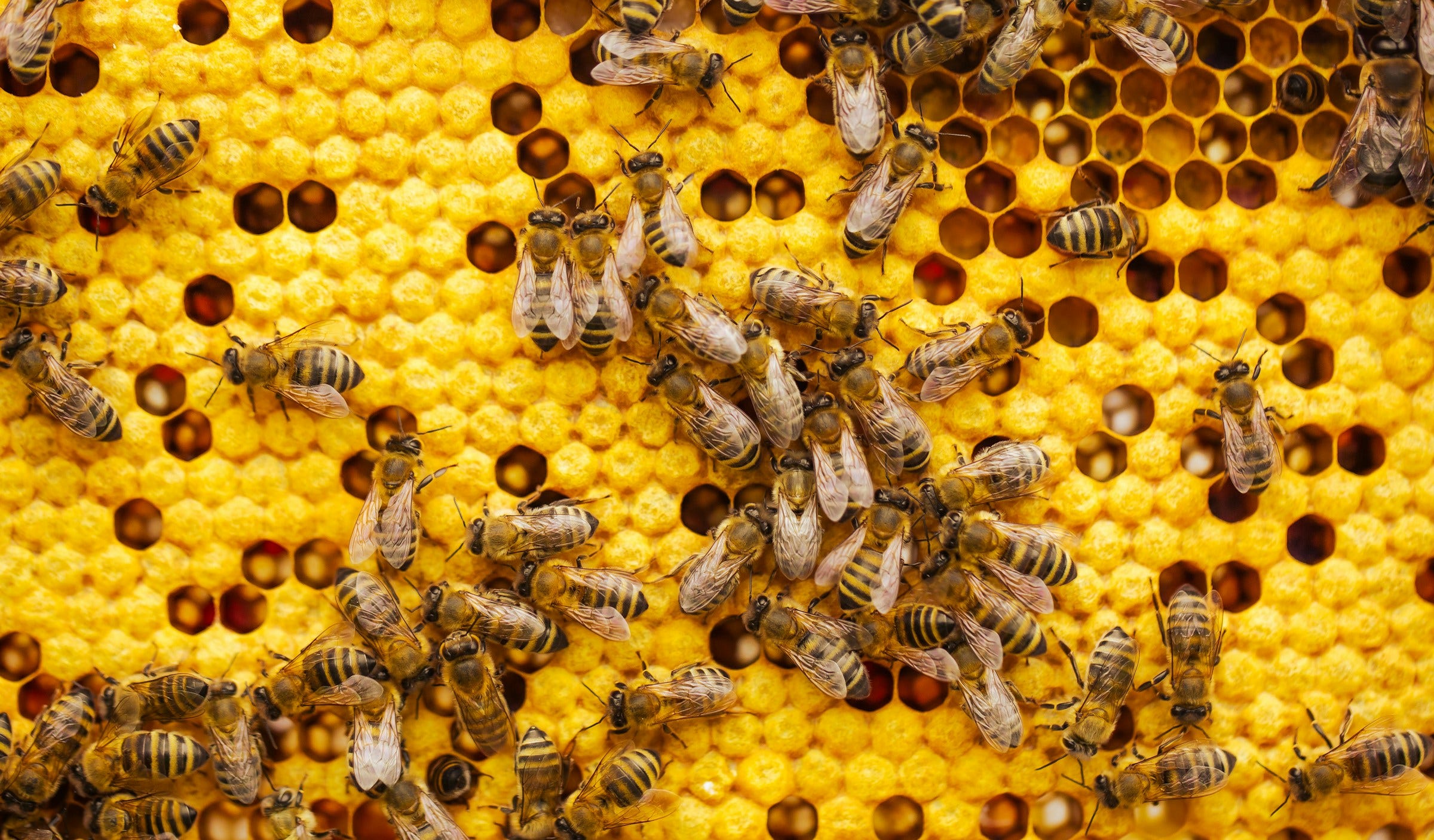
I spread out my well-worn Hudson Bay blanket under the broad branches of the coast redwood in the front yard, a tree teeming with birds, the occasional red-shouldered hawk perched on the crown. The sky was thick with clouds broken and scattered by bullying gusts of wind, which encouraged everything around me to dance — the trees, the tall and tender new grass, and the wildflowers, whose delicate beauty belied their tenacity. At the top of the mountain, air rushing through the thick boughs of the redwoods imitated the sound of massive waves, and expelled the scent of the ocean (though it was nearly an hour west), as it mingled with the spicy, sweet fragrance of cypress.
It was really too cool to be outdoors and lying in the open air, shoes off — at least for a Californian. But my roots were in Michigan, and this crisp, moist air felt exactly like end-of-winter melt-off, a cue to throw on some Bermuda shorts and stoke up the charcoal grill. I wanted to soak up every bit of the ocean’s wetted, briny breath, even at the cost of my comfort. I had traveled a long way to live in this place, to imbibe this life-sustaining mist. After all these years, it was familiar and soothing, and the cool of it permeated my soft tissues and settled deep into my bones. I could barely smile, so cold were my cheeks — the muscles numb, my amalgam fillings aching.
Back indoors, I thawed out, dense tingling unfurling from the tips of my ears down to my toes. Stripping down to my underwear, I buried myself deep under my duvet, then drifted off to dreams of the ocean, its primordial perfume lighting up my brain with calming imagery — places known, yet unknown. For a good long while, I lingered in this preconscious state, trying to wake myself so I wouldn’t miss my usual dinner hour. But my head was heavy, and I hadn’t the strength to lift it from my pillow. Then there was a loud thud, so strong it rattled the bookshelf next to my bed. Strong winds had thrown a heavy branch across the side of the house. Now I was awake.
Though it was early evening, I put on a pot of coffee as I had a long night of work ahead. I sipped a first cup as I warmed up my dinner: matzo ball soup and a slice of toast slathered with butter and honey — my honey. I devoured this concoction as I planned out my setup for the following day’s farmers market and applied labels to jars. The market was held each Saturday, and the one before Easter was typically the busiest of the year. Ironically, late winter and early spring were the least productive time for the bees, which meant I was often short on product. Every jar of my honey would get sold in the first two hours of the market, the last hour bringing disappointment to all but those looking for bee pollen and honeycomb.
My winter honey, harvested in early spring, was popular for its intense flavor, the dark amber liquid tasting strongly of buckwheat, with hints of the redwood and manzanita blossoms near my hives. Though too heavy-handed for high tea, winter honey was perfect on a hot, crispy slice of sprouted multigrain bread or on almond-flour pancakes just off the griddle. If Northern California had a flavor, this would be it. The chaparral ecosystem on the ranch defined the head and bass notes of this nearly opaque honey’s perfume.
After working well past midnight, I enjoyed a short but deep slumber, awaking around 4:00 a.m. to the sound of barred owls duetting in the redwoods outside my bedroom window, their extended bel canto nudging me to consciousness and bringing a smile to my face. I made my way to the bathroom in the dark and did my usual ablutions, then it was on to the kitchen, where I chugged down a large mug of the cold brew I’d made the night prior, adding a generous pour of half-and-half to soften the acrid flavor resulting from its oxidation. Amped up, I headed down to the storage room, hand truck in tow, to gather my products of the hive: jars of winter honey, as well as star thistle and black sage from the previous fall, stacks of boxed honeycomb, and packets of bee pollen. Then, a few framed recipes and a stack of my cookbooks. All else resided in my crusty old SUV — tent, tables, cash box, and linens. I loved that vehicle, whose once bright paint was now a matte pear green. Mine was one of those early SUVs, equipped with manual window and seat adjustments, an analog radio, and a rear-mounted spare. It still had spunk, and in its rustic state, one might have imagined it had seen its share of rugged terrain. Reality was a bit different, as the vehicle was prone to rollovers, like all the SUVs of its day, so it had been relegated to transporting my products of the hive to farmers’ markets throughout the Bay Area and taking the occasional camping trip with friends.
Off I set for my local market, which was held in a vacant parking lot across from the courthouse. I arrived to a flurry of vendors setting out overflowing crates of fruits and vegetables, pantry products, baked goods, yogurt, eggs, butter and cheese, and assorted Mediterranean dips. There were always a few vendors with hot food items who had arrived an hour earlier. They served up everything from rotisserie chicken, pupusas, and breakfast burritos to dim sum, fresh pasta, and fruit smoothies. Within an hour, it was showtime, with hundreds of locals arriving promptly by bus, bike, and car, and on foot.
I cued up some Edith Piaf on my mini Bose speaker and struck up conversations with passersby, many of them familiar faces. Those who frequented the market were loyal to their farmers and purveyors. They came every week, rain or shine. I had my own set of regulars — folks who stopped by weekly for a jar, apparently enjoying honey on their oatmeal every morning. Others told me that they kept a large jar in the pantry for cooking or tea, or in the medicine cabinet for allergies. In the fall, many bought in bulk, packing their larders with honey for the upcoming months of hibernation. There was an understanding that cold weather sparked a craving for sweets, and since the supply of honey in the hives would dwindle in the cold months, it was best to stock up, right? Add to that the fact that I had to hold honey back as the solstice approached, as much of it would be needed for the bees themselves. They formed winter clusters to keep warm and stayed in their hives for nearly four months to be near their main source of sustenance: their honey.

Of all the regulars at the market, none intrigued me more than an elegant older couple, who, like clockwork, appeared at nine each Saturday. Both husband and wife spoke with elegant Parisian accents and dressed with the effortless precision of people for whom appearances were less vanity than courtesy. Arm in arm, they would swing by their favorite booths (mine among them), offering a bit of polite conversation, then tasting the seasonal offerings. They sampled each of my honeys with liturgical seriousness. Eyes closed, lips pursed, they murmured quiet notes of approval, lingering over each spoonful as if coaxing out a familiar melody from an exotic reharmonization.
Invariably, the couple would purchase large jars of every varietal available that week. Lèa Lelouch and Samuel Lelouch were the names on the credit cards — both true honey connoisseurs, and by far my best customers. I did wonder how this very fit couple, who appeared to be in their late 70s, could consume some 96 ounces of honey from one week to the next. It was a lot of calories, and you’d have to be putting honey on or in just about everything. Where exactly was all this honey going? My curiosity was getting the best of me, so I decided to put the question to them. Politely, of course.
That Saturday, when Lèa and Samuel approached the table, I greeted them cheerfully, engaged in a bit of chitchat, and as usual, admired their attire. Samuel favored impeccably pressed shirts in cheerful Mediterranean colors; that morning it was a blue-striped linen shirt from Façonnable. Lèa wore a silk-and-linen dress in soft taupe and periwinkle, her auburn hair gathered into a loose chignon, bangs gently held back by a pair of oversized Vuarnet sunglasses. Together they looked less dressed for a farmers’ market than for lunch on the Left Bank.
As a couple, they stood out, though not in a flamboyant way. Their well-considered choices drew attention, especially at a farmers’ market where sweaty customers swung by after a long run or early morning bike ride, attired in athletic wear, and where families with little ones showed up in quasi-PJ ensembles. I applauded the effort the Lelouches put in — they were a beautiful and distinguished-looking pair. I imagined that the effort they made daily to dress attractively and stay in shape was surely a factor in their enduring relationship. They clearly revered one another, and as I would soon discover, had been married fifty-eight years.
Today, the Lelouches brought a red Radio Flyer wagon, the old-fashioned kind with wooden-slat sides. This particular wagon was raggedy and had clearly seen a few trips around the block. Though many of the market-goers brought wagons, this was unusual for the Lelouches. They simply weren’t the type of people to have accumulated the cheerful clutter of having raised children. Something about their demeanor, their fastidiousness, and the methodical way they went about their shopping led one to believe they’d never experienced the chaos and messiness of parenthood.
It was these characteristics that pleased everyone with whom they came into contact — their quiet and polite ways, their patience, their graciousness, and their enthusiasm, and, as I would soon discover, their generosity. Children, usually shy around unfamiliar accents, gravitated toward the Lelouches. Samuel spoke to them as though they were peers, asking thoughtful questions, then offering them small tastes of honey on birchwood spoons, if their parents were amenable. Samuel was keen to know their opinion on the flavor — did they like it? Was this something to put in their oatmeal or on their toast, or perhaps on some vanilla ice cream? The children would try the samples with solemn concentration, then offer frank impressions. This delighted Samuel — honey tasting was serious business, and he carefully considered their opinions.
Many wondered, as I did, how the Lelouches had come to be in our small town—what path had carried them from France to northern California. Whatever their journey, Samuel and Lèa possessed a quiet genius for belonging, weaving themselves like bright threads into the fabric of our community.
Judging by their ages and accents, one could reasonably surmise that the Lelouches had grown up in postwar France, though their impeccable English and effortless ease with American ways suggested they had lived in the United States for most of their adult lives. And though they were clearly more affluent than many at the market — their tailored clothes and well-kept Land Rover hinting as much — they wore their prosperity lightly, treating everyone they encountered — farmers, artisans, fellow shoppers, and me, the beekeeper — with warmth and considered respect.
On that particular Saturday, when Lèa and Samuel arrived at my booth with their rickety old wagon, they were especially animated and talkative — something was in the works. For starters, they wanted to try all the honey varietals I had in stock, and since there was no one else in line, I allowed them to sample everything. The winter honey fascinated them most. Dense as molasses, almost mahogany in color, it tasted of cold mornings and evergreen hillsides. Where was this terroir, they wondered. Then out came my phone — together we wandered through photographs of the ranch, tracing the bees’ winter foraging from chaparral shrubs with subtle blooms, to vast wind-swept hillsides with colorful waves of wildflowers.
We then worked our way through the star thistle and black sage honeys, accompanied by more pictures — one of the cow pasture, another of my flower garden full of herbs, with a huge patch of black sage. Rounding out the tasting was a crystal-clear clover honey — perfect for high tea. It was a sweet synthesis of nearly a dozen types of clover, all of which grew on the ranch. Its delicate, flowery essence darted from the palate as swiftly as a hummingbird, leaving a pure sweetness in its wake.
“Are there any other, more unusual varietals we could try?” they inquired. Why yes. Blackberry, lavender, and avocado. Each spoonful seemed to carry the Lelouches to a place far away. No longer were they standing beneath my white canopy, but wandering, instead, through a Provençal village, a place visited in their childhood — a gustatory memory mingling with the dopamine rush from the sugar.
Aiming to bring this leisurely tasting to a close, I offered the Lelouches a bit of hot Earl Grey, poured into small paper cups from my insulated carafe. As they drifted back to earth, the sugar buzz replaced by a hit of caffeine, it was decided, by Samuel, that they would purchase all of the honey I had on hand. Yes, every last jar.
This was not a small purchase, as you might imagine — larger, in fact, than most of my bulk orders. Under my tent were 48 large jars of the winter honey and 336 small jars of assorted varietals. The grand total: $7800. I offered the Lelouches a 10% volume discount, but Lèa insisted on paying the full price. “Whatever will this honey be for?” I inquired, surprised both by the size of their purchase and their insistence on paying full retail. Lèa, smiling, said simply, “We take joy in sharing what we love with those we love — our neighbors, and everyone in our community. No discount, please. You’ve earned every cent.” Without hesitation, Samuel pulled out his Platinum card. The deal was done.
I helped the Lelouches take the first two batches of honey to their car, then we returned to the booth to fill the wagon a third time. On this go-around, the Lelouches requested I unseal all the boxes containing small jars. Once everything was situated in the wagon to their satisfaction, off they went to resume their usual shopping.
The Lelouches quickly became the day’s curiosity as they wandered the market, their red wagon piled high with jars of honey, a magnificent spray of dahlias tucked in between boxes. As they wove their way up and down the aisles, their bountiful haul drew curious glances from fellow shoppers. What on earth was all that honey for?
The Lelouches stopped to purchase their usual fruits and vegetables from favorite vendors, all the while chatting with young couples and their children, a group of ladies who’d just finished a game of pickleball, and an indigent man pushing a well-worn bicycle, all his worldly possessions piled into its jerry-rigged trailer. Samuel studied everyone with quiet attentiveness, discreetly noting what they had purchased and their attire and demeanor, as if to ascertain which honey they would most enjoy. He would then reach down into one of his many boxes and pull out a jar, offering it up with enthusiasm — a precious gift, he noted — nectar collected by so many bees, from this very region. A place all of us were lucky to call home.
“So happy you’re my neighbor,” he would say.
Lèa, her hand resting lightly in the crook of Samuel’s arm, delighted in watching faces brighten with surprise.
The quiet labor of the bees, the sweet nectar they gathered, and the aromas they assembled — these gifts were meant to be free.
So sweet. No pun intended. Lorinda must be on vacation 😉