


Thought I’d bring all of you in for a soft landing this morning after a tumultuous week of upsetting headlines. Let’s talk the 1970s — gardening, vegetables, kids, political corruption, violent race riots, Stevie Wonder, band instruments, casseroles, trains, the burned out neighborhoods of Detroit, and Vietnam. Yeah. That weird mix of stuff. Hopefully all of this is a little easier to digest on a Sunday morning over waffles. It is all in the rearview mirror, at least. Right?
My point — may as well put it right up front: somehow we survived. Most of us, anyway. All of that crazy stuff happened in our lifetimes — you silent generation folks, boomers and Gen Xers.
I think we need to take a little trip down memory lane, don’t you? If you need a warm up, cue up Pink Floyd’s Dark Side of the Moon and pour yourself a cup of Maxwell House. We’re going back to 1973 to look at the creative solutions young people worked out in those other dark days — solutions that I hope inform us on what needs doing now. Someone needs to shine a light down this dark tunnel.
I’m going to tell you this now and at the end of this article in case your short-term memory isn’t what it used to be: we old folks need to step the hell aside and let young, fresh minds do the problem-solving. Why? Because their minds are young and fresh, you old fucking codgers and codgerettes. Young and fresh. And then there’s that bit about them having a say in their future. Come on, folks, we don’t have much skin left in this game. The time is now to pass the torch. Actually, it was like years ago you should have passed that fucking torch. But that’s ancient history, so let’s just get on with it.
PLEASE, please, let these young people have a go at it. This is their game, the world they’ve inherited. Give it to them. Support them. Elect them into office. And quit fucking calling them Social Democrats like that’s a dirty word.
A funny thing happened this week. While wandering through my bookshelves and reminiscing about the (dare I say) thousands of books I have read over the years, I came across this tiny tome: The Outdoor Education Center School Farm and Garden Program Cookbook. A real treasure. At least for me, the gardening, veggie junkie.
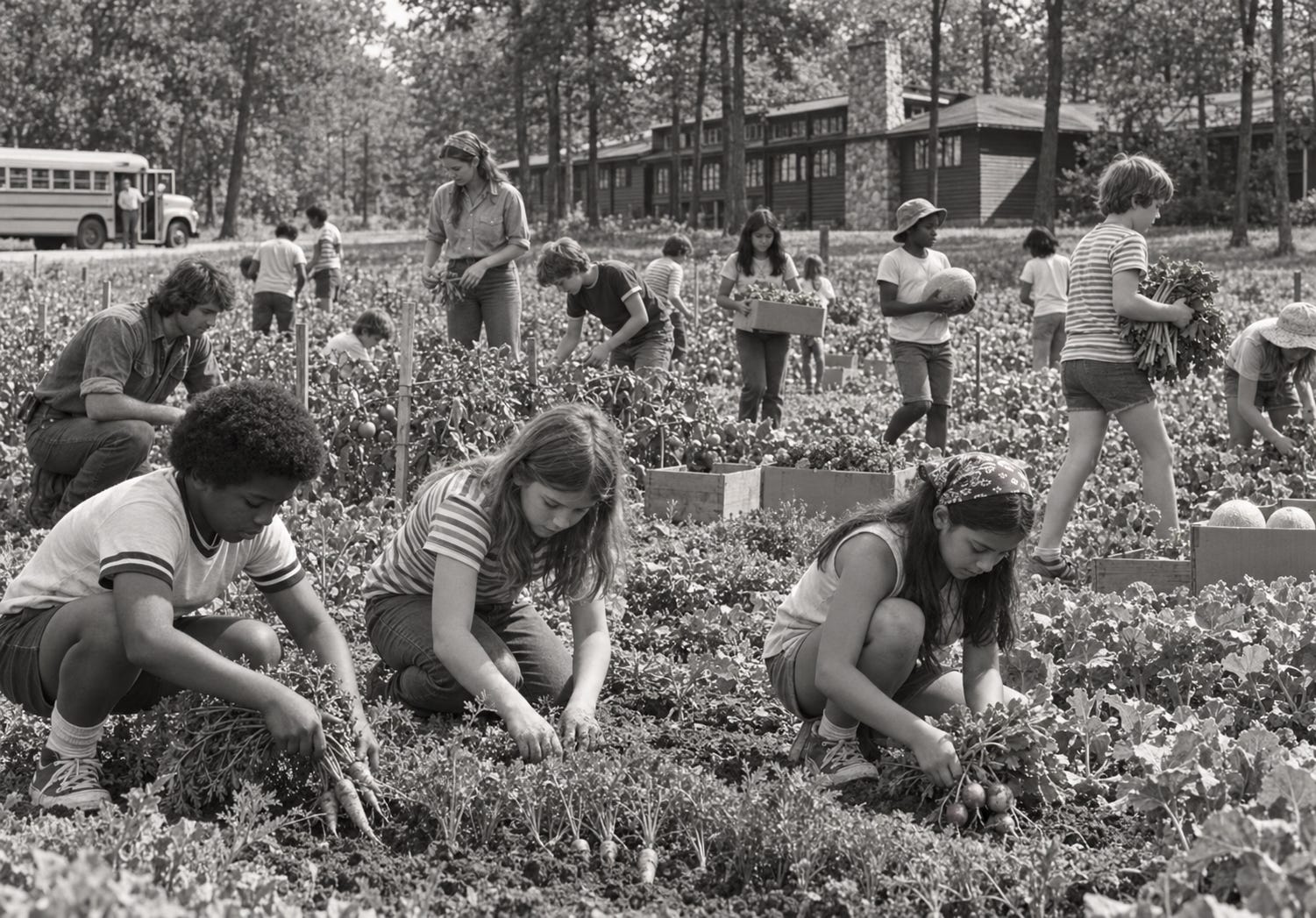
I hadn’t seen this book in decades, and finding it brought a flood of memories. Cold spring days in third grade. Working the soil in the Fremont School gardening plot at the Outdoor Education Center. Sometimes it was raining, sometimes the sky was bright and clear. Regardless of the weather, my class would get out there to dig holes and trenches, plant seeds and put in vegetable starts, pick out rocks and sticks, and add mulch. It was hard work. Damn. And we were freezing our butts off. Some of us loved doing this stuff. Others, not so much.
In the weeks that followed, Mrs. McCoy’s class would continue going to the farm to weed and thin out the vegetables. Partway through those cool, damp days, we would be invited into the education center to warm up with hot apple cider and peanut butter and jelly sandwiches, after which we learned more about the vegetables we were growing. We studied their stages of growth, the types of pests that might attack them, and we examined the Farmer’s Almanac to figure out when our vegetables would be ready to harvest. We also learned how each type of vegetable improved our health, and why they were important to our growing strong. It came as a surprise to many of us just how many veggies we were supposed to be eating. Many kids thought this couldn’t be true, that we needed to eat all that spinach — their parents didn’t eat vegetables at all, and hey, they were still alive. But then we looked at those young teachers at the front of our classroom — they were strong, good-looking and smart. And they wore Levis and high-top Converse sneakers. They said, “Eat your vegetables!” So we did, because we wanted to be like them: strong, good-looking, smart, and cool. We were not interested in looking like our dads, who were wearing polyester Sansabelt trousers and eating hot dogs and jello.
Back in those days, the 1970s, the Democratic socialist hippies who were running Michigan’s education programs were promoting plant-based eating. They were way ahead of the times, but we didn’t know that.
In addition to teaching us how to garden, these hippie-ish teachers at the School Farm showed us how to clean, prepare, and cook the vegetables we were growing, and we often got to sample their recipes. I especially loved everything made with zucchini. Tempura, zucchini goulash, zucchini casserole. Yummy. Once I discovered how very tasty veggies were, I was determined to eat as many as possible — at home, at school, when we went out to eat. My parents thought I was crazy.
As we neared the end of spring and the school year, and the ice had melted off Clear Lake (on which the school farm was situated), things began to warm up. Those friggin’ Michigan winters, they felt neverending. The weeks leading up to the equinox our vegetables really took off. It was exciting to come back to the farm after a short hiatus to find perfect rows of bright green leaves.

Before the school year came to an end, Mrs. White, our principal, made a point of stopping by our classrooms to explain that the school farm program would be continuing through the summer and that a bus would wait for students at the side entrance twice a week — this up until Labor Day weekend. If you wanted to garden, all you needed was a note from a parent saying you were allowed to go to the Outdoor Recreation Center for the day, wear appropriate clothes (and bring a swimsuit and towel if you wanted to swim), and bring a sack lunch and snack. And you had to be at the bus stop at 8:30 a.m., on the button, or risk missing your ride.
Mrs. White then handed each of us a schedule to take home. She strongly encouraged us to continue our important work at the farm, unless, of course, we were heading off to camp or going on a family vacation.
Doing farm work over the summer was not a requirement, and so, as you might imagine, there wasn’t a line snaking around the block to sign up for this activity. All those hours of weeding, harvesting, and cleaning veggies were not everyone’s bag. But there was a hardcore summer gardening group that developed, surprisingly, and it consisted of kids who had nothing better to do over break, or whose families couldn't afford stay-away camps, or a membership to the country club, and there was also the obligatory gaggle of kids from the large Catholic families in our neighborhood. Sometimes even a younger sibling, who was not really supposed to be at the School Farm. Those kids just needed to get the hell out of Dodge, if you catch my drift. And secretly, I think their parents really needed that produce we would be bringing home.
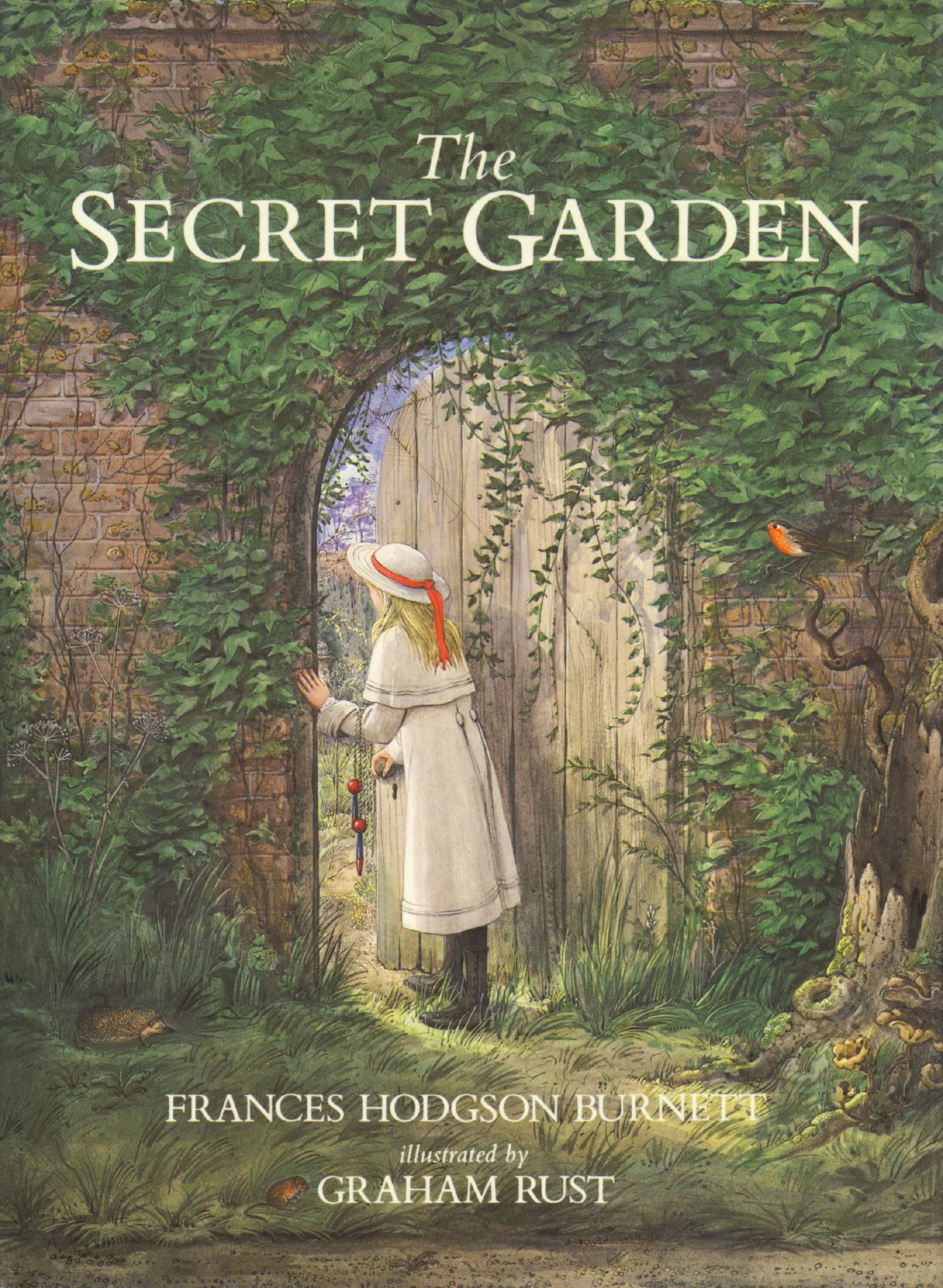
My friend, David — his mother tricked him into going by saying he’d get to swim. Yeah, well, maybe. She left off that bit about his having to do five hours of weeding on his hands and knees. I was probably an outlier: someone who, for my age, was oddly into gardening. I dreamt about it, and I sketched out diagrams of how I’d lay out my garden, if I had one. And I read The Secret Garden over and over. I was fascinated to see how our school farm veggies would turn out. Not sure where this gardening proclivity came from, except that I'm farm stock — and that would be on every side of my family. Genetics. You can’t outrun them.
It was a fun, eccentric bunch of kids who were down for digging around in the dirt for the better part of a summer’s day. There was much mirth-making, playing pranks on one another, seeing who could catapult a rutabaga the furthest, enjoying picnics and swapping sandwich halves, and then sometimes getting to cool off in the lake mid-afternoon. By the time we got home on those farm days, we were pooped.
Over the course of the next couple of months, we summer gardeners raked in the bounty resulting from all that our classmates had sown in the spring. The farm counselors collected up boxes from local supermarkets for us, and encouraged us to take home as many veggies as we could carry. This was exciting — our veggies were really beautiful, and I took great pride in presenting them to my family at the end of each week, even if my stepmother had no idea what to do with an eggplant.
Once school resumed after Labor Day, our whole class was (thankfully) back at the farm, and those kids got to partake in the harvesting and taking home of food for their families. It was a good feeling. Fall at the farm was festive — bringing together all good things: companionship, being out in nature, sharing tasty and nutritious food, celebrating fall weather, and learning about the life cycles of plants and animals. We experienced firsthand how essential these things were to a well-rounded life.
Over the course of that first year at the School Farm, it had become my goal to reproduce the recipes we had sampled in class, and thanks to Mrs. Harriet Krum, Home Service Director of the Battle Creek Gas Company, I was able to do just that. She produced a cookbook that included recipes from the teachers and parents at every school, incorporating all the vegetables we had been growing at the farm that year. And the local gas company — they saw to it that copies of this cookbook ended up in the hands of every child in the school district. So, if your mother had no idea whatsoever what to do with a rutabaga, fear not! You could find great recipes for these mysterious root veggies on pages 24 and 25 of the School Farm cookbook.
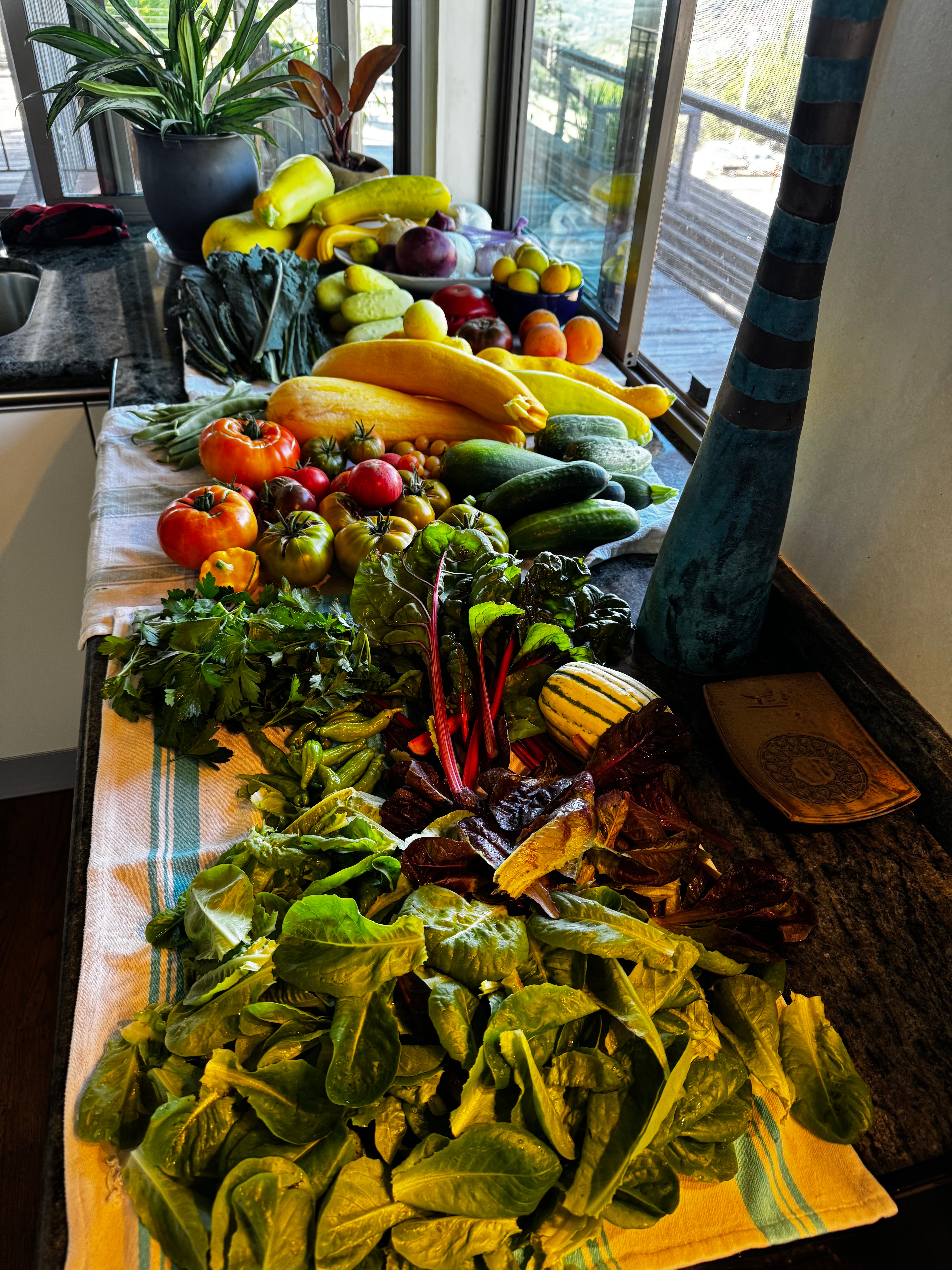
A quick peek through this cookbook revealed the wide range of veggies we had been growing at the time, out there on highway M-37. Beans, beets, cabbage, carrots, cauliflower, chard, corn, cucumbers, eggplant, kohlrabi, mustard greens, onions, peppers, potatoes, pumpkins, rhubarb, rutabagas, a variety of squashes, tomatoes, and turnips. Holy toots! Thank you, Mrs. Krum, for putting all of these in alphabetical order. 🌞
Back in the day, many of those veggies were unfamiliar to those of us living in Battle Creek — these were not foods readily found at the local Cut Rate Supermarket. They were pretty exotic.
But we, the children in the Battle Creek Public Schools — we knew what these were because we grew these veggies.
And I grew to love eating them. And to love gardening. And to appreciate all the kids in my community who I saw out in those fields every week. When we were doing farm chores, it didn’t matter what color we were. We all got filthy, sore and hungry and we all laughed when a potato beetle burrowed deep into Gordon’s afro.
To this day, I continue to grow veggies and to eat them voraciously. I’m a vegetable junkie and damn proud of it. Thank you, School Farm.


Those of us lucky enough to have gone through the Battle Creek Public Schools system got a damn good education. Just saying. Having been a teacher for nearly 35 years, I've come to appreciate just how good that education was. Exceptional, in fact, in every way. It prepared me to excel in college and beyond.
And this praise comes after having taught at the Chicago Waldorf School, Washington University, Chaminade College Preparatory, Lane Tech, Hazelwood Central H.S. (St. Louis), Blue Lake Fine Arts Camp, University of Chicago Lab Schools, Interlochen, Roosevelt University, Moody Bible Institute, Thornwood and Thornridge High Schools, and at numerous other educational institutions. My point: I am a well-educated snoot. And I have this to say about the Battle Creek public schools: they were top-drawer. For whatever that’s worth.
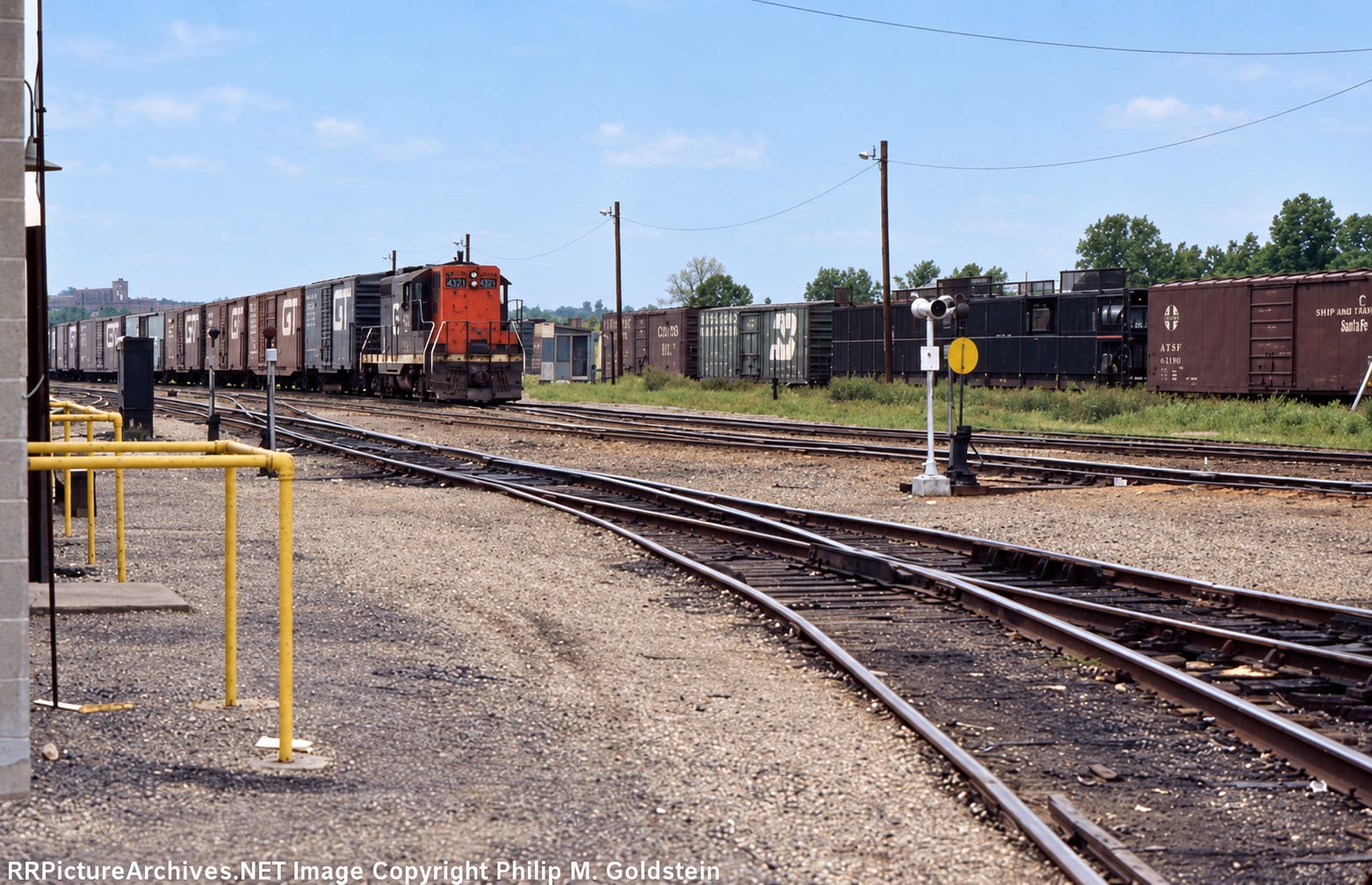
In the 70s, when I was a kid, Battle Creek was primarily a blue-collar city, and one riddled with train tracks. Twenty to thirty freight trains barreled through town on any given day, their diesel locomotive air horns blaring at all hours, with little regard for those sleeping, a symphony concert, people reading at Willard Library, or those convalescing at local hospitals. Train tracks ran through every single part of town, which literally meant all of us were from “the wrong side of the tracks.” At least that was the joke.
Those who lived and worked in Battle Creek knew you had to plan on adding an extra 15 to 20 minutes to any car trip, no matter where you were headed, as it was likely you would hit a train crossing. If you weren’t inclined to add in this crucial time buffer, you could count on being late for work, missing your appointment (or flute lesson, in my case) about 50% of the time. Those cereal-city freight trains were anything but typical — all of them had 70 - 100 cars. A great way to fall asleep in Battle Creek was counting train cars instead of sheep. There was a distinctive rhythm they made as they rolled over the crossing panels, which made it possible to count them. I could usually fall asleep around the 50th car.

Also in the 70s, Battle Creek was proudly the “Cereal Capital of the World.” We’re talking Kellogg’s, Post, General Mills, Quaker Oats, and Ralston Purina. Entire families worked in these factories, sometimes for generations. Day and night, the town smelled of grains roasting. Ironically, the plant that made Purina Dog Chow emitted the most mouth-watering smells. Go figure.
During those same years, Battle Creek was rattled by the racial tensions being felt nationally, in part because it was wedged between Chicago and Detroit on the Hwy. 94 corridor and buttressed by other war zones like Benton Harbor, Flint, Lansing, and Grand Rapids, all of those cities experiencing widespread rioting, looting, and arson — with large swaths of Grand Rapids and Detroit permanently destroyed during this era. Battle Creek's proximity to this strife gave its leaders pause, as did the broader civil rights movement, the Vietnam War, and the rapidly changing racial dynamics resulting from the Great Migration. Civic leaders and school board members furiously began implementing new programs and policies designed to bring down the temperature. To a certain degree, these programs kept things from escalating out of control and they helped soften issues of racism, which were shamefully prevalent throughout the state.
👆 Damn good flute riffs in this Gil Scott-Heron piece from 1970. That would be Hubert Laws, fyi. I learned to play these riffs by ear. Hate to say it, but that White flutist dude, Ian Anderson, who was also popular at the time, couldn’t hold a candle to Laws.
Those of you from my generation (Class of 1980) likely participated in one or more of these school programs meant to combat racial tension and bigotry in our community: Joint Student Leadership Classes, Project Backstop, assorted outdoor wilderness programs through the Outdoor Education Center (orienteering, camping, water sports, ropes courses, biology adventures, etc.), the indigenous people curricula taught in the elementary schools, as well as the field trips and immersive re-enactments related to Battle Creek’s role in the Underground Railroad. And of course there was the School Farm and Garden Program where kids from all schools and neighborhoods congregated.
The school district also ramped up its already extensive fine arts programs, which spanned from grade school through high school. Ditto for the school district’s sports programs. The district offered choral and instrumental music, theatre, visual arts, speech and debate, and numerous other programs. Physical education and outdoor and indoor municipal sports were also expanded. Much of this was possible because of the massive corporate tax base Battle Creek enjoyed courtesy of the cereal industry, federal funding and by generous gifts from the W.K. Kellogg Foundation. These opportunities were made accessible to all students, regardless of income level, with instruments, art supplies, sports gear, etc., provided free of charge. Creative outlets for kids were hugely important during this period of high tension. Call these socialist programs, if you like. Whatever.
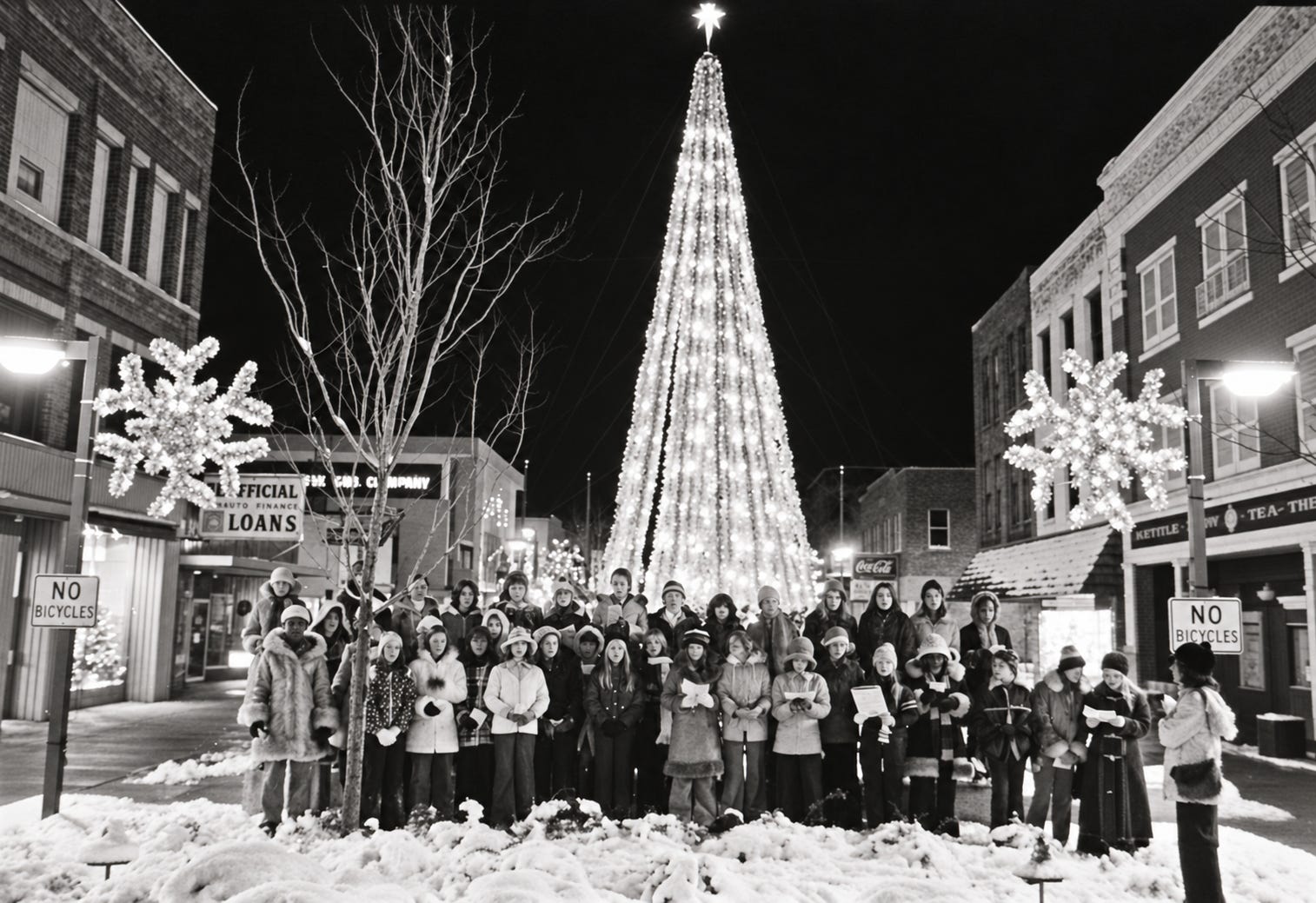
Progressive educational initiatives some of you may remember came in the way of special curricula in our grade schools. During this era, Congress passed the Indian Education Act of 1972, which provided significant federal funding for schools to develop programs, hire tutors and develop culturally accurate curricula and textbooks related to Native American history and culture. While most of these programs were specifically for indigenous children, this act put a spotlight on Native Americans generally. And let me tell you, there was no sugarcoating history in these programs. They called a spade a spade.
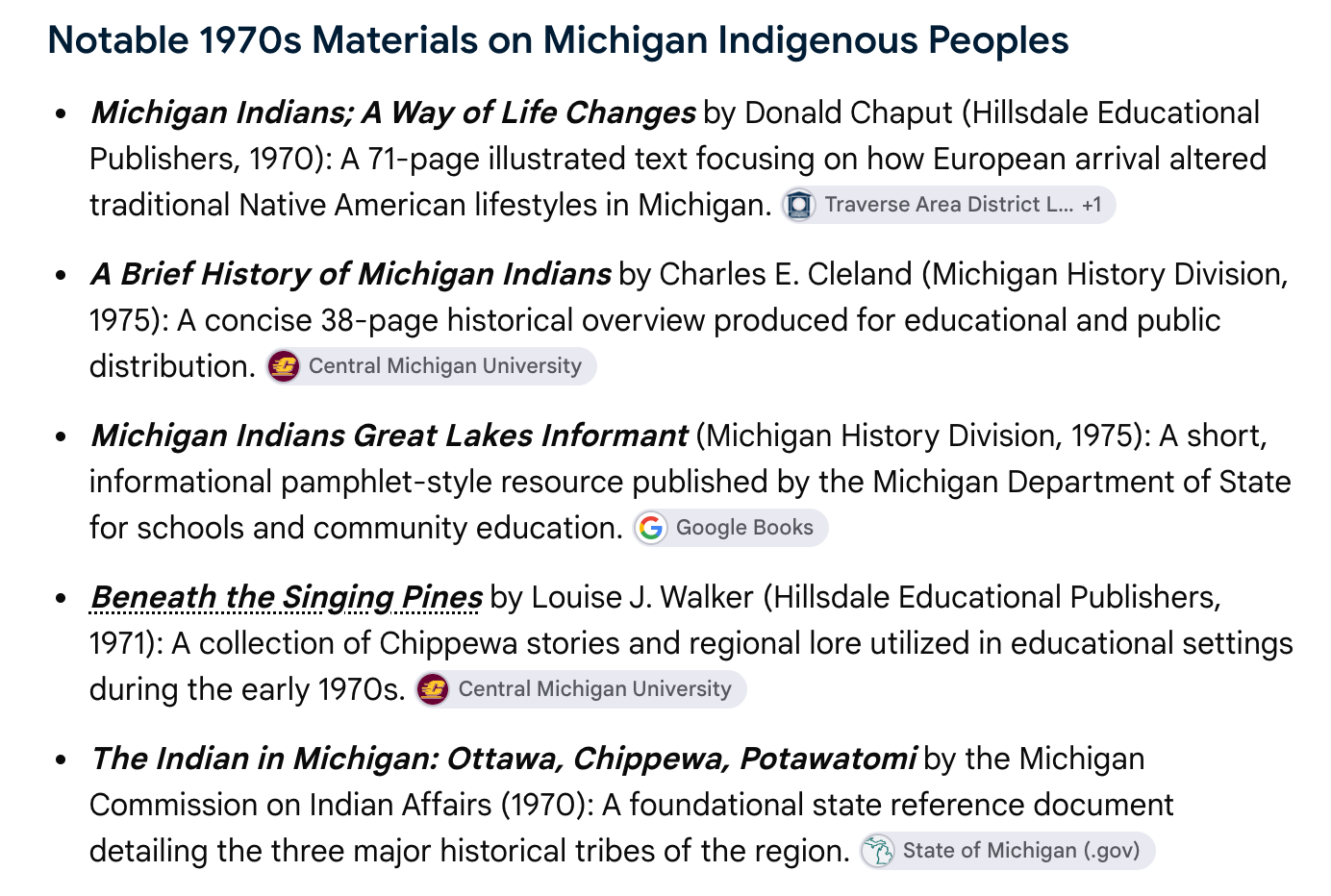
The State of Michigan picked up on this thread, publishing numerous text books on the state’s indigenous history, developing school programs, and connecting educators to indigenous leaders, many of whom visited our schools. Each year I was at Fremont Elementary, our various classrooms recreated Indian dwellings, canoes, baskets, cooking implements and arrowheads, and we practiced cooking the foods indigenous people were understood to have eaten, as well as reading special textbooks and completing worksheets designed to improve our understanding of these important people in our state. The Chippewa, Ottawa and Potawatomi Indians figured largely in those grade school studies.
These are some of the materials that were used in our schools:
Another incredibly important component of our school district’s curriculum was the history of The Underground Railroad. Battle Creek figured prominently as a major waystation in the railroad, helping roughly a thousand slaves find their way to freedom in Canada. A Quaker couple in town, Erastus and Sarah Hussey, who owned a dry goods store, were important organizers for this endeavor and they fed and protected over a thousand slaves as they made their way north.
Battle Creek was notorious for being fierce in its protection of these vulnerable people and legend has it that not a single freedom seeker who came through Battle Creek was ever recaptured. Erastus Hussey is, in large part, responsible for this success. His schtick was sending armed citizens ahead to thwart the arrival of slave owners. Their rough and tumble tactics kept these people far from Battle Creek.
This important part of Battle Creek’s heritage was taught in our public schools and was reinforced through field trips taken to important historical sites. Our school also participated in Underground Railroad re-enactments — out in rural settings, in some cases, in which children played the parts of slaves, slave owners and the people running the “railroad.” These immersive activities made quite an impact on our fertile brains — let me tell you! And as one might guess, these re-enactments were a tad controversial (not to mention intense), and at some point had to be relegated to community centers outside of the school system. For those of us who got to partake in them through our schools — holy toots! Lessons learned! And remembered.
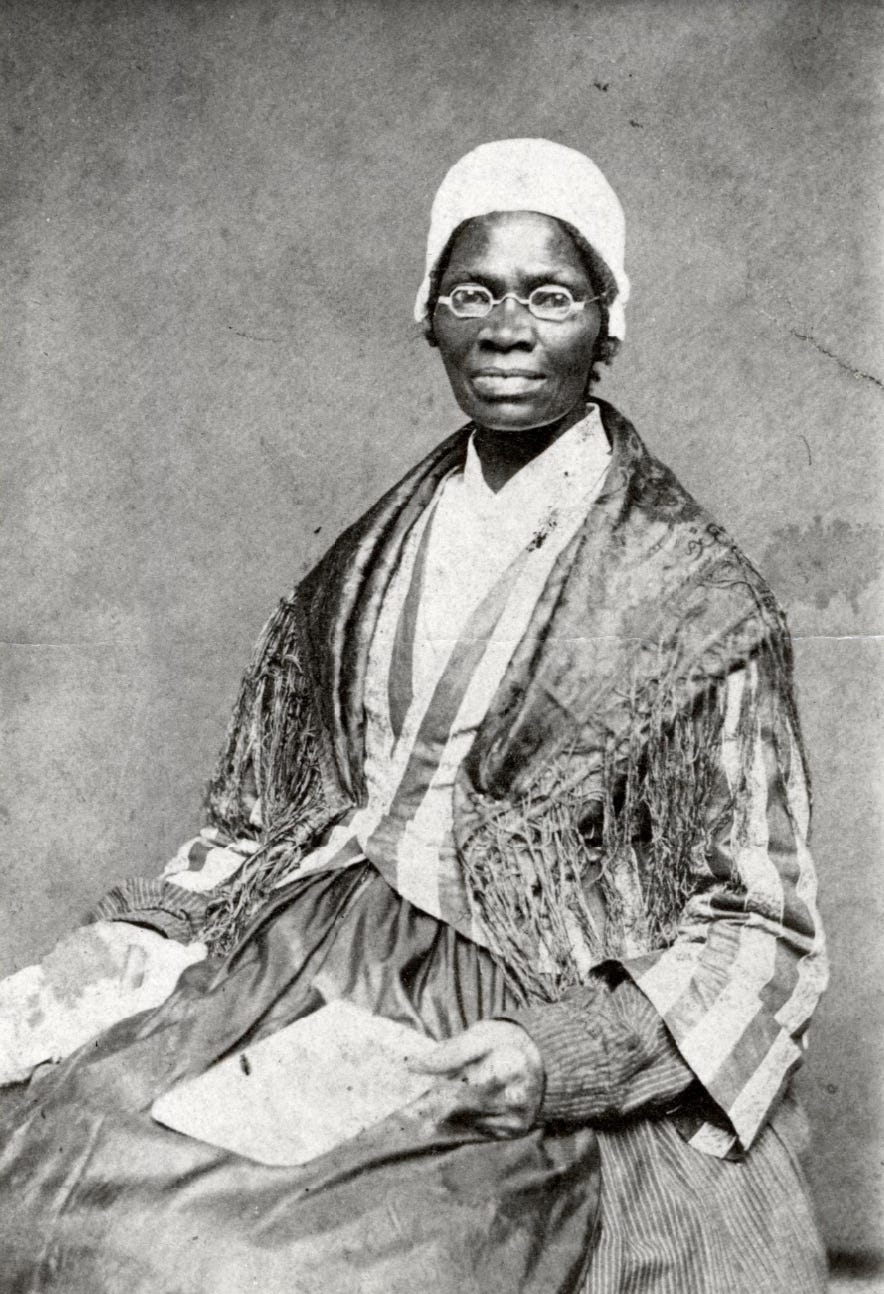
Other important abolitionists and members of the Underground Railroad that are part of Battle Creek’s history (in addition to Erastus and Sarah Hussey) include Henry Willis, a Quaker leader who brought Sojourner Truth to the area, Francis Walling Titus, Truth’s close confidant and helper, and Charles Burleigh and Parker Pillsbury, prominent national abolitionists. Sojourner Truth ended up spending the last 26 years of her life in Battle Creek. Now there’s some bragging rights.
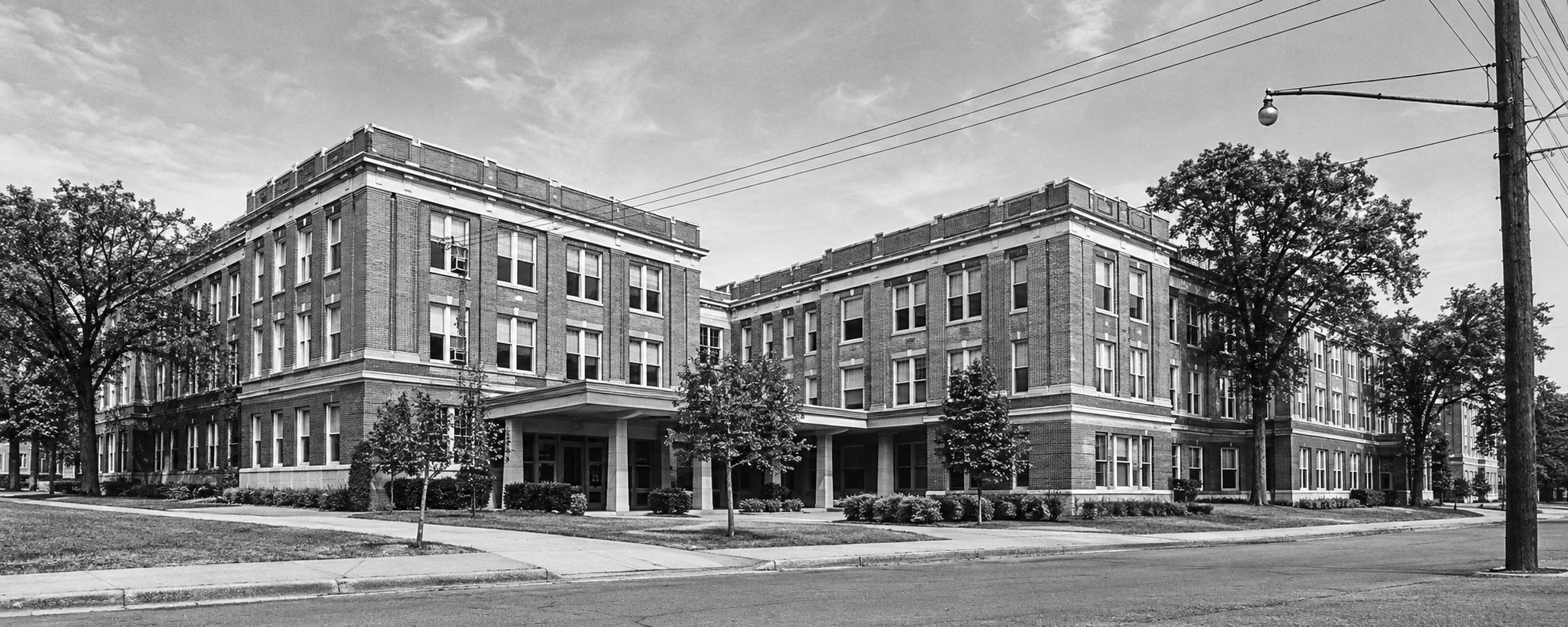
Battle Creek Central High School, which at the time was the second largest high school in the state, was at the center of many of the local racial conflicts. Some of you may remember, as I do, looking out the windows on the second floor of W.K. Kellogg Junior High (Mr. Harper’s math class) and seeing an army of police cars flood the turnaround at the high school. Police with billy clubs had to break up fights – large altercations that often involved scores of students, many of whom were wielding weapons, knives in particular. This was our normal for several years. On those days, the marching band practiced indoors and the school was essentially on lockdown.
While Battle Creek avoided the devastation seen in other Michigan cities, unrest remained. The disconnect in our schools was that the teaching staff was primarily White, while the student body was mixed. The same situation existed for Battle Creek’s mostly White police force, which served a variety of ethnic communities. The Black Recondos, a group emanating from the local NAACP’s Young Adult Council, pressured Battle Creek’s school board, with some success, to change its hiring practices. Similar activists targeted Battle Creek’s police department.
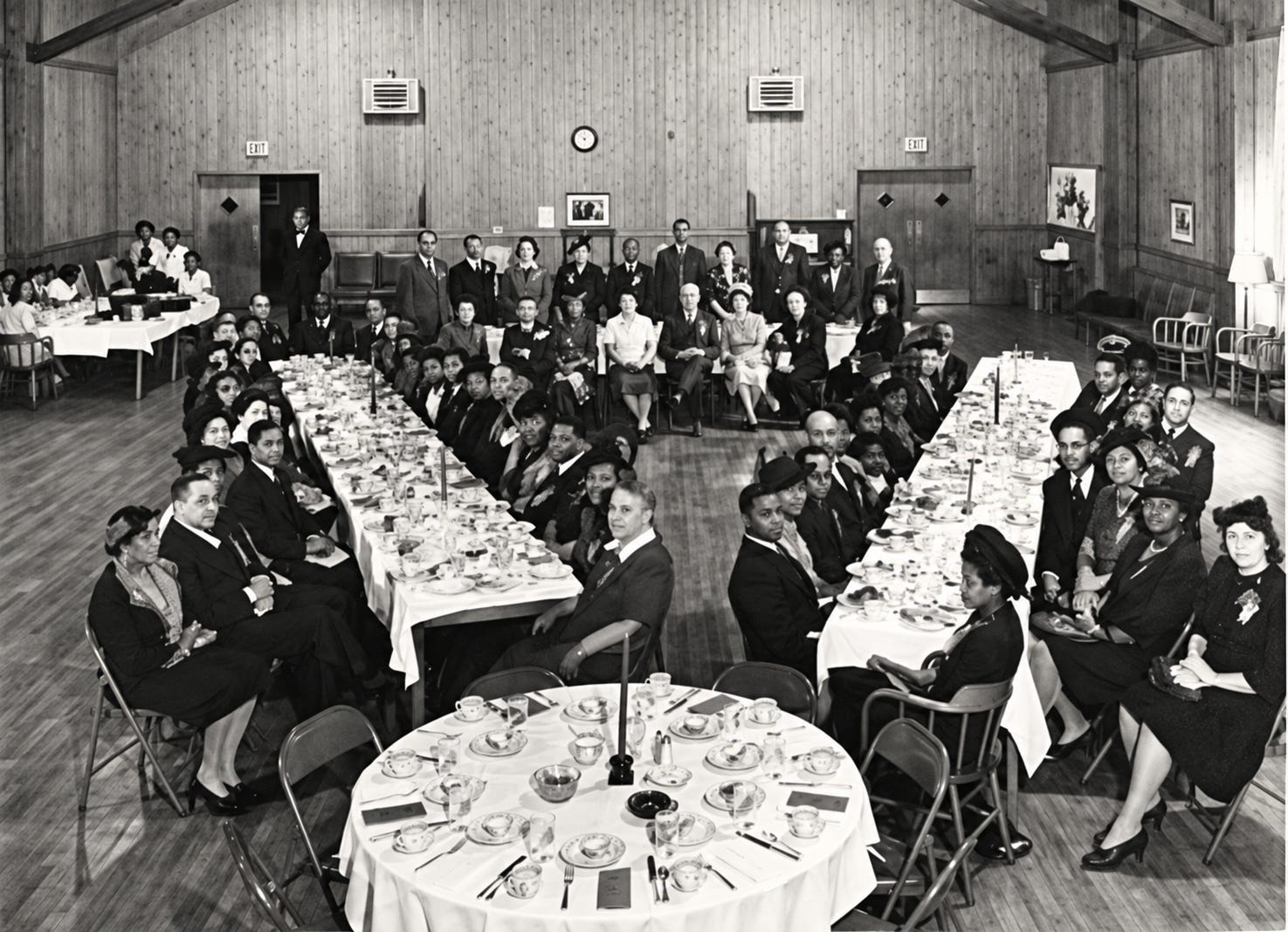
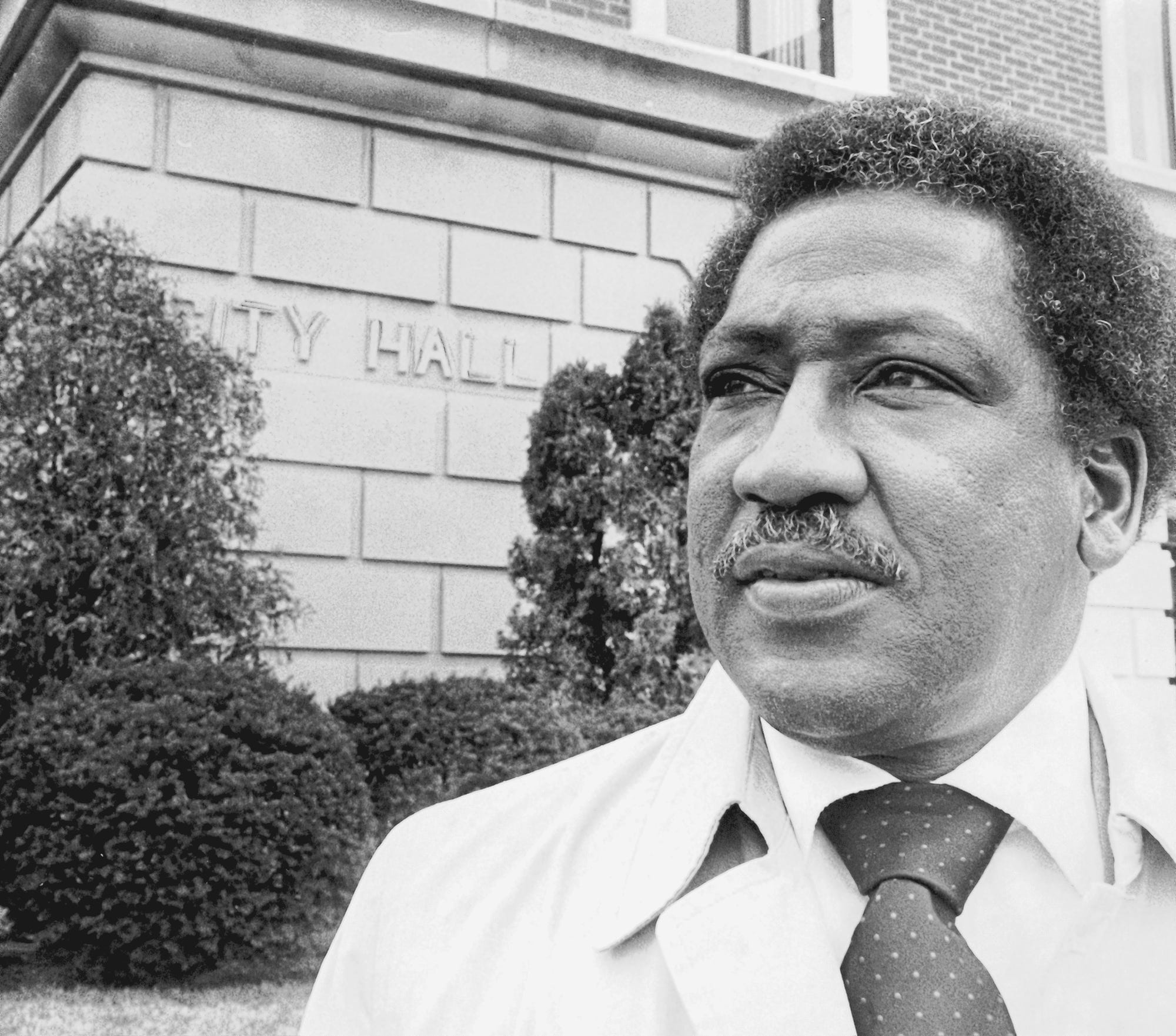
While progress was made in the hiring of Black teachers and administrators, the NAACP’s tactics proved less effective in changing the situation with law enforcement. In 1970, however, Donald Sherrod, a Black community leader and politician, was elected to the City Commission and served on it until 1981. It should be noted that Sherrod was also deeply involved in the Battle Creek Public Schools and the parks department. While working for the school district and the city, he served as Battle Creek’s recreation director and was instrumental creating and implementing many of of youth and community programs we enjoyed. In 1979, he became Battle Creek’s first Black mayor.
For more on the integration of Black teachers in the Battle Creek Public Schools, read/watch “Battle Creek Did Not Burn.”
Sadly, some of these advances in Black leadership provoked racist pushback from the White community in the form of redlining and discriminatory housing covenants, as well as urban renewal projects designed to dismantle the city’s traditionally Black neighborhoods. At one point, a burning cross was put on Sherrod’s front lawn — this after he, as mayor, upheld the 30-day suspension of a police officer accused of harassing a black man. These tactics by the White community were shameful, and Battle Creek citizens (of all colors) let developers, offending citizens, and realtors know it. Shunning was (and remains) an effective tool for change. Remember that. Believe it. Practice it.
So why, exactly, did Battle Creek not go the way of other metropolitan areas in the state? Partly because it was proactive in fighting racism from the ground up, i.e., in the schools. Our school district made a concerted effort to combat institutional racism by properly training its teachers and implementing programs intended to bring students of all ethnicities together. In addition, racism and other important social and political issues were topics our teachers discussed out loud — in class, with their students. These forums, and the activities we participated in, taught us, as children, the value of living in a diverse community. We were taught to respect all types of people, regardless of whether they were from poor or wealthy families, whether their parents worked in the factories or were on the faculty at the local community college, whether they were Black, White, Asian, or any other ethnicity. All people were valuable and deserved respect. This was understood. Full stop.
In the Battle Creek Public Schools, being a racist was socially unacceptable. We were taught, in essence, to be intolerant of intolerance.
Intolerance for racism has stuck with me my entire life, and it has driven almost everything I have done in my adult life, from my first teaching job — as a band director — at Hazelwood Central H.S. in Florrisant, MO (remember the race riots in Ferguson — that was my school district), to my working for the ACLU, to my participation in community activism on the South Side of Chicago, where I lived for many years, and for my current work advocating for women’s rights. All that I learned in the Battle Creek Public Schools and the values my teachers instilled resonated with me as a child and continue to resonate with me today.
On the issue of equality, our school district was unambiguous. Students who couldn’t wrap their heads around this concept were taught how to get along with others by participating in Backstop — a challenging ropes course program that brought together children from diverse backgrounds and taught them to work together. This program was highly successful, from all accounts, and those kids who participated came back with changed attitudes. And new friends. I saw it with my own eyes.
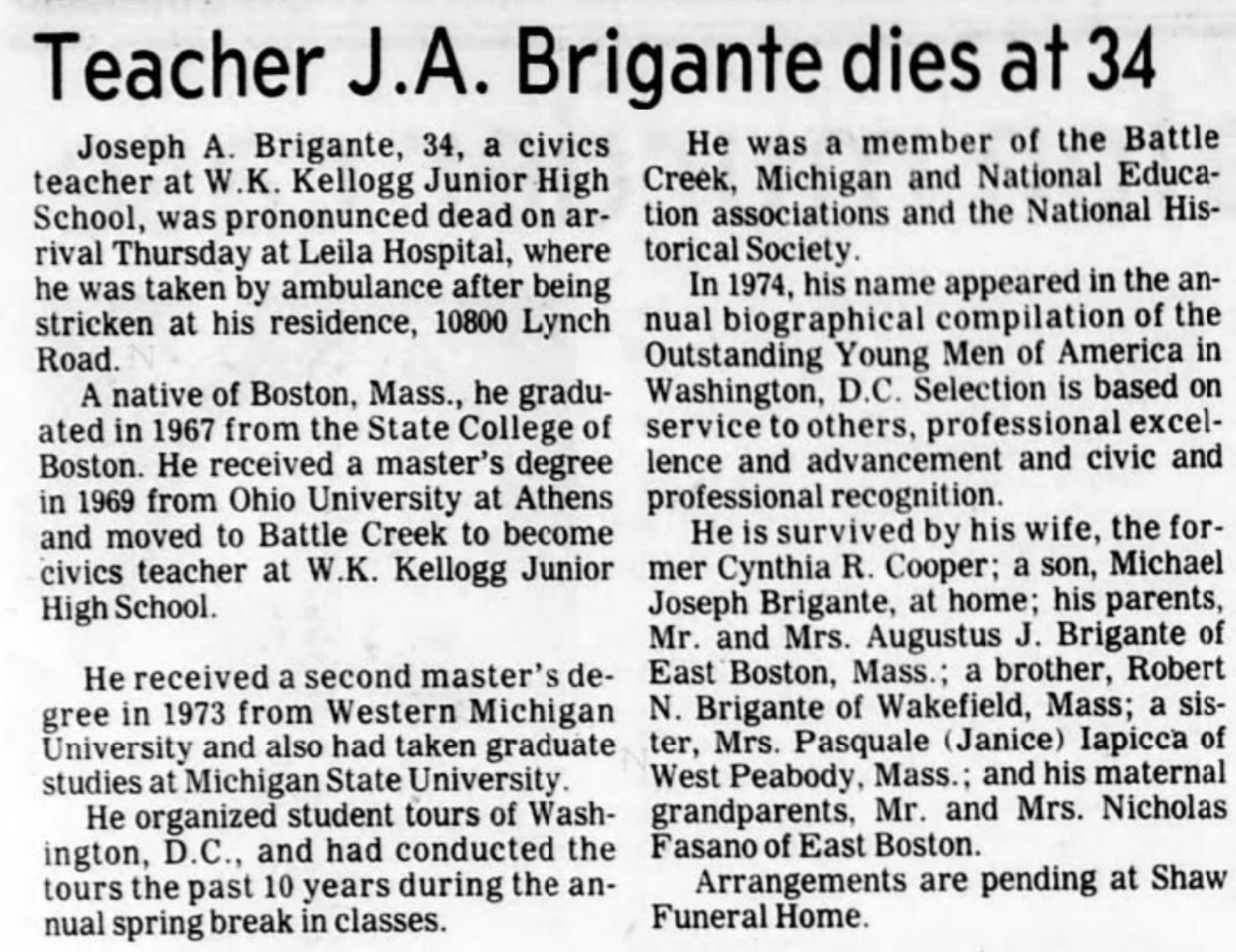
I have Mr. Brigante, from my junior high civics class, to thank for my passion for all things political. Joe Brigante was vigorous in teaching us how government worked, from the local levers of power to the branches of the federal government. He taught us to be staunch researchers, to question authority (think Watergate Trials, which were happening at this time), to understand the Constitution and what it stood for, and he filled in every gap in our understanding as related to civil rights, women’s rights, free speech, and the like. During my 9th grade year, he took our class to Washington, D.C., to give us an up-close look at Congress, the Supreme Court, and the White House. Sadly, this brilliant teacher died in 1980, at the tender age of 34.
Also inspiring, as I have mentioned in previous articles, was my 4th and 5th grade teacher, Ethel Dorner, who was as square as her name would imply. At least on the surface. In reality, Mrs. Dorner was the coolest teacher ever, advocating progressive principles of tolerance and open-mindedness, and modeling for us girls how to be forthright and assertive. She believed in our abilities, as women, to be leaders — and she said as much to my parents, who feared I was not being polite and acquiescing as I should to authority figures at school (and at home). Mrs. Dorner made clear to them, in one of our parent-teacher-student conferences, that she was less interested in my being a lady than in my reaching my potential as a person. She rounded out our conference by stating (and I am definitely paraphrasing here), “I’m not worried at all about Christina’s academic progress or her ability to get along with her classmates. She is doing very well at everything, although she is boy crazy!” We all had a good laugh at that, minus my stepmother. Then, I had a lot of explaining to do on the walk home.
Other important teachers included my forensics and debate coach, Mr. Copeland, who propelled our school teams to top rankings nationally. Yep, inner-city kids blowing preppies out of the water on the debate topic of the year: universal healthcare. Can you believe that we were debating this issue as far back as 1977? Mr. Copeland taught us everything we needed to know about challenging “the system” with facts and persuasive arguments. He was good! And he cared — about our community, the kids in our school, and about teaching smart kids to work for good causes. A shout-out goes to my fabulous debate partner, Alvanita Singleton. We were the only girls on that mostly-male debate team. And Mr. Copeland said more than once, in front of the whole gang, that we were the smartest on the team. We were.
Also fantastic was my phys ed teacher, Randy Ziraldo. This guy knew what needed doing at Battle Creek Central H.S., and he did not hesitate to take the bull by the horns. At the beginning of each semester, as we got in line to sign up for specific sports to take for phys ed, there was Mr. Ziraldo, working the crowd, trying to get everyone — and his brother and sister — to take weight training. His class, of course.
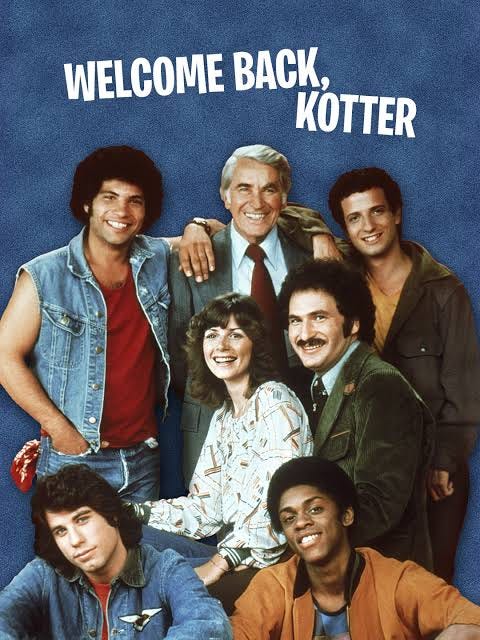
Mr. Ziraldo was charismatic and looked a lot like Mr. Kotter (you know the guy), and as I would soon discover, he was an amazing teacher. The first thing he did was size up the kids in his charge and pair us up with the person least likely to be our friend. Now there was a concept. I was a super geek, and Ziraldo decided I should do my designated workouts with a student, who I’ll call Alice, a really nice girl from a troubled home, where sadly the parents were drug addicts. I should mention that at the time, Go Ask Alice was required reading in every English class. Don’t know that story? Look it up. We all had a sense that Ziraldo was on to something, and as it turned out, he was! He knew how to bring kids together — kids from divergent backgrounds. Many of us went on to become fast friends. Ziraldo was an amazing teacher and coach, who would go on to be a coach at Indiana University and then UC Berkeley.
Though my “Alice”was not a drug addict, she was suffering considerably from her home situation, as was I, though for different reasons. Our working out together every day, spotting for each other, encouraging each other through 100 push-ups and the like resulted in our becoming very close friends, though sort of secretly, as we ran with very different crowds. Regardless, Alice remained my phys ed buddy through the remainder of my time at Battle Creek Central. I loved her, and I have Mr. Ziraldo to thank for bringing us together — two girls from polar opposite socio-economic backgrounds.
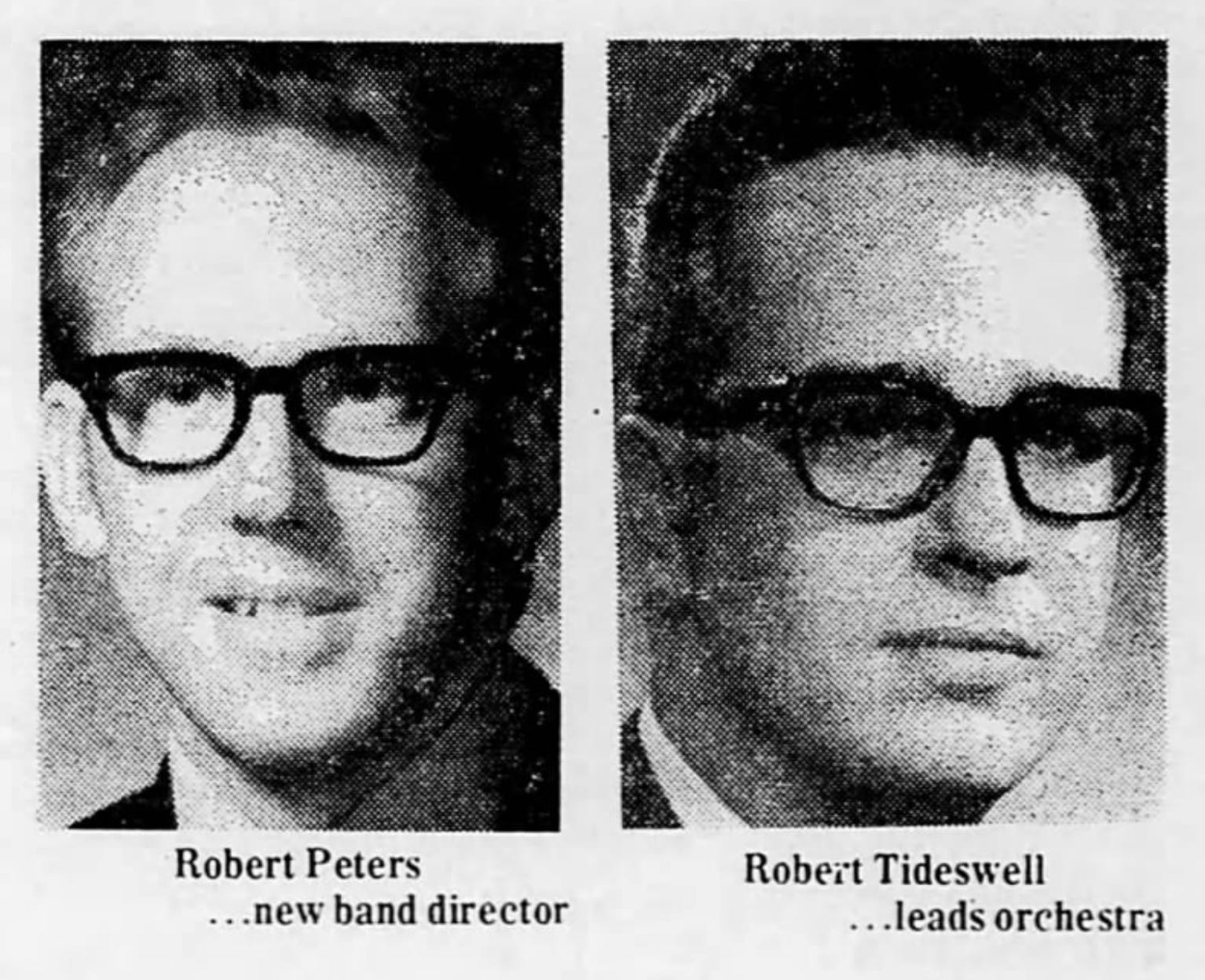
Other great teachers were Mr. Peters and Mr. Tideswell, two young studs who led the bands and orchestra respectively at the high school. They saw to it that BC Central’s instrumental groups were highly competitive, especially with the suburban high school nearby, Lakeview, an area that Whites fled to as the Black population expanded in downtown Battle Creek. The message from these teachers was clear to all of us: our bands and orchestra were every bit as good as those from this affluent, White suburban school. Better even. Our directors saw our school’s diversity as an asset, and they made that clear to us — both in how they ran their classrooms and how they promoted musicians in every section. Invariably, we whipped Lakeview’s butt at solo and ensemble, and in large ensemble competitions. And then there was our marching band (and our football team). Watch out!
Other efforts made by the City of Battle Creek during the 70s included the Ethnic Fair — a popular cultural event that took place downtown yearly, with many blocks cordoned off to showcase art, dance, food, and the history of the diverse global heritages that were growing in our city and across Michigan. The hope was that, by uplifting the city’s cultural diversity, the community would come together to support its immigrant and minority communities. The fair was widely attended, and it did much in the way of educating the community and demonstrating respect for the diversity of people living amongst us.
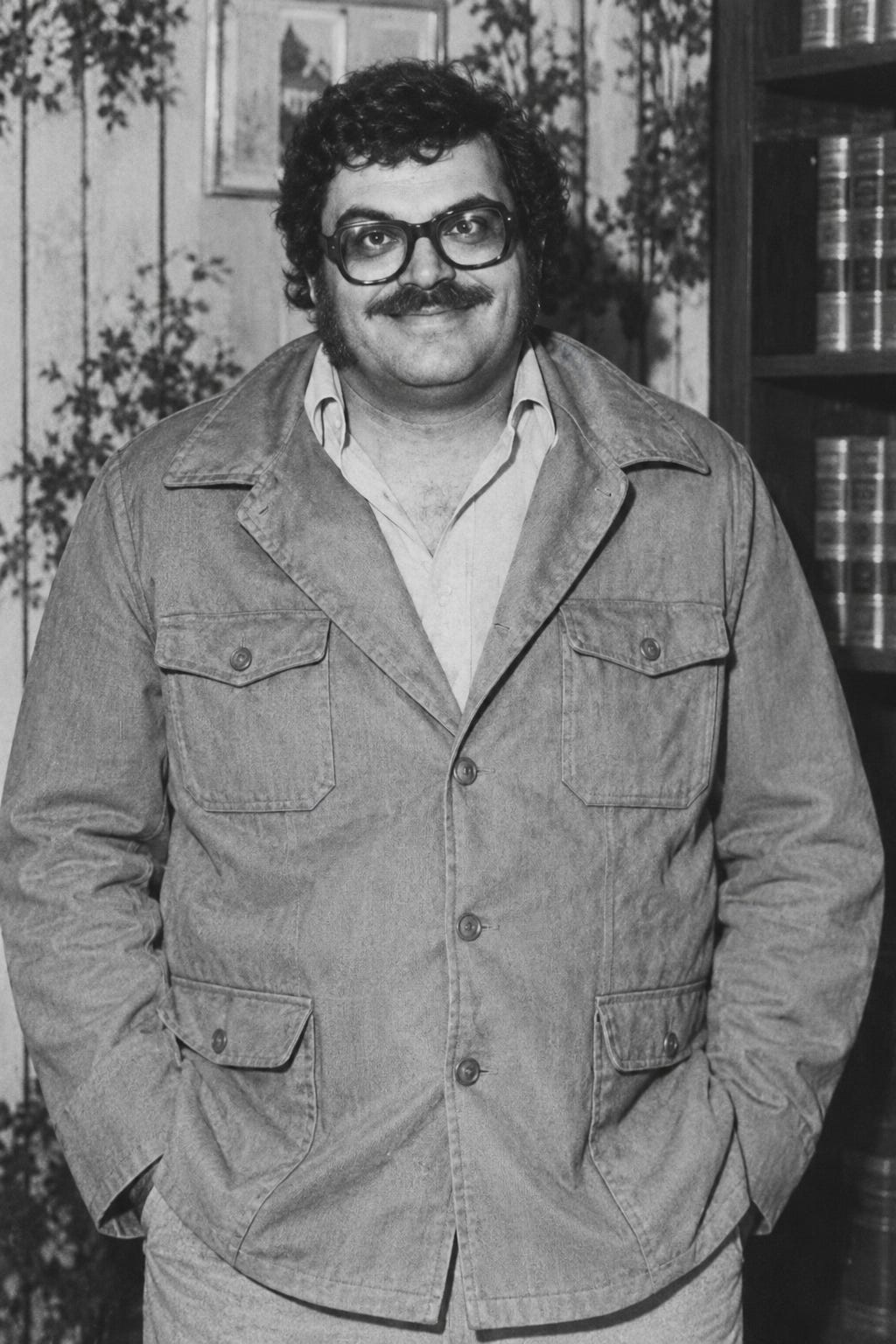
Finally, I would add Bill Coash to this lineup of people in Battle Creek who influenced me greatly. Bill was a legal aid attorney who dedicated years of his life to representing vulnerable people — low-income residents and those affected by social injustices. He was the longtime executive attorney for the Legal Services Organization of Southcentral Michigan, taking on cases to protect civil rights and federal benefits, and representing citizens in cases involving consumer banking protections, disputes about Social Security, and public assistance. According to Justia Law, “Through his work, he [Bill Coash] fought against systemic inequality, ensuring that landlords, financial institutions, and government agencies treated low-income community members fairly under the law.” Bill was a remarkable man, and I was fortunate to sit at his dinner table many evenings and hear about his goings-on, as I was close friends with his daughter.
There were so many other coaches, teachers, and community leaders who kept our city focused on equality and respect during the tumultuous 70s. They modeled for us how to be caring to the less fortunate and guided us in staying on the right side of important social and cultural issues. Good people.
And citizens of my home town: Battle Creek. 💙